By Cornelius Kabwe
On the 24th of October 2018, Zambia’s 54th Independence Day, Zambian medical history was made quietly, in an operating theatre, behind closed doors.
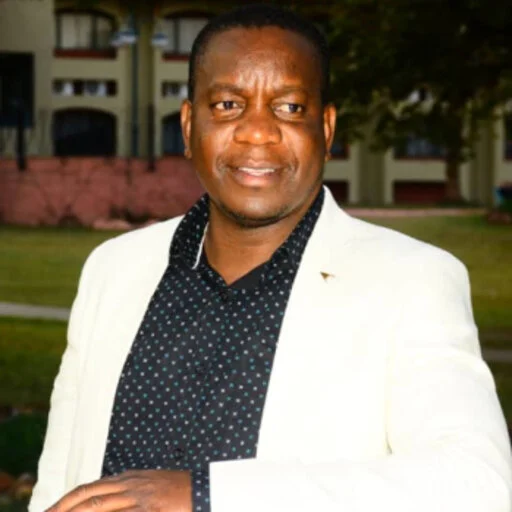
A young doctor, fighting for his own life, became the first person in Zambia to receive a kidney transplant on home soil. His name is Dr. Job Kasweshi. And as the country approaches the seven-year anniversary of that day, he is still here working, living, playing football, and inspiring thousands of Zambians who are battling kidney disease every single day.
His story is not just a medical milestone. It is a story about a brother’s extraordinary sacrifice, a family’s unshakeable love, a nation’s determination, and one man’s refusal to give up when the darkness felt absolute.
It started with what seemed like a severe episode of diarrhoea and vomiting. The dehydration that followed was severe enough to cause acute kidney injury and for Dr. Kasweshi, that injury never fully healed. What initially appeared to be a temporary condition progressed, slowly and relentlessly, into chronic kidney disease.
The diagnosis came as a devastating blow. As his kidney function deteriorated, dialysis became his lifeline. But the treatment brought enormous physical, emotional and psychological challenges.
“Being on dialysis means putting your life on hold,” he reflects. “Most of the time after the sessions I would feel so weak I could not do anything. I would simply go home to rest.” The career he had worked so hard to build, the passions he had nurtured, the simple freedom of a normal day all of it was placed on pause by a machine. Yet amid the uncertainty, hope remained.
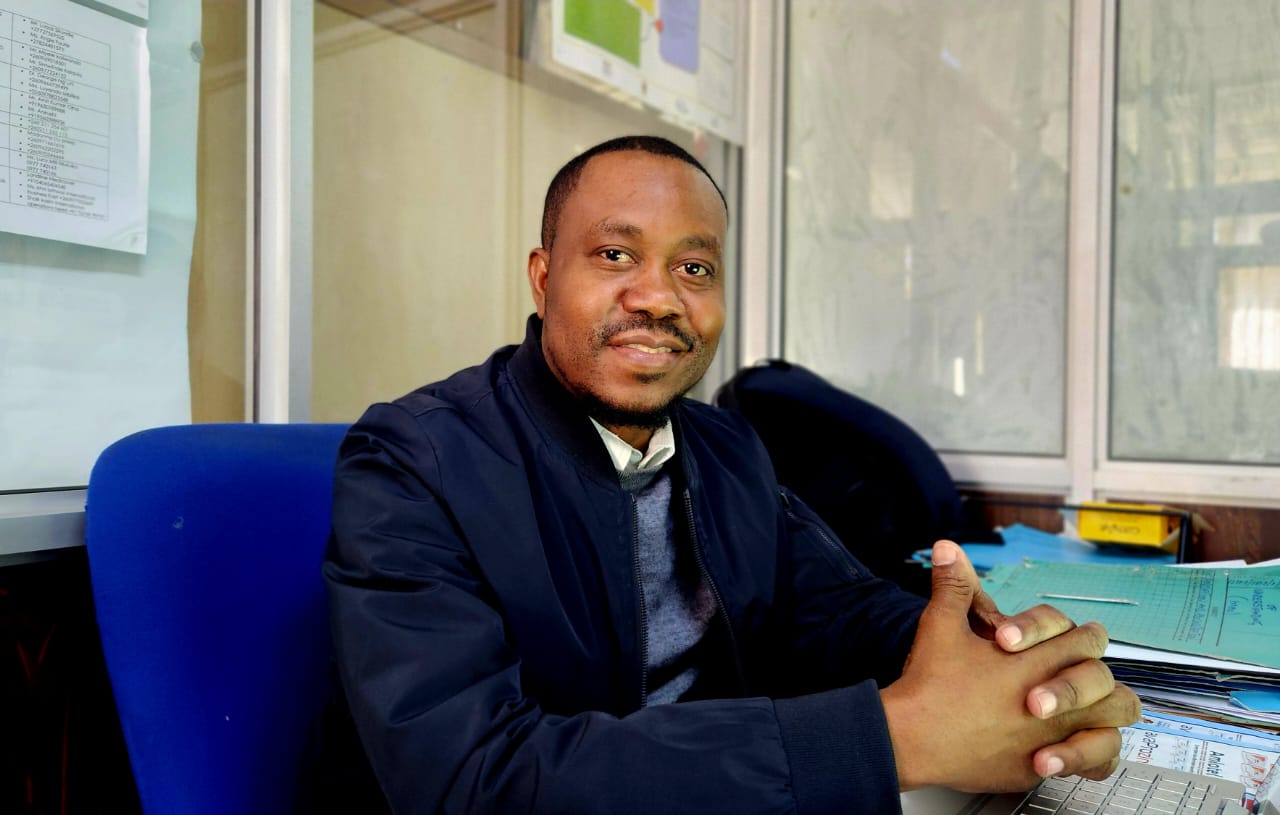
As doctors considered the path forward, it became clear that a kidney transplant was Dr. Kasweshi’s best hope for a full life. The search for a donor did not go far. His younger brother, Tinashe Kasweshi, stepped forward without hesitation. He was a match. He was willing. He was ready.
Plans had initially been made to fly Dr. Kasweshi to India for the transplant. But Zambia had other ideas. The government, in consultation with the Ministry of Health and the Republican President, made a bold decision: this transplant would happen on Zambian soil, performed by Zambian hands, on the most symbolic day in the national calendar the 24th of October, Independence Day.
A twelve-person Zambian medical team was assembled at UTH. On a day that Zambia already celebrated freedom and sovereignty, a man was given the ultimate gift of freedom: his life.
“Seeing that three weeks after the surgery my brother Tinashe was going to sit for two sets of exams almost had me cancel the transplant,” Dr. Kasweshi narrates. “But I was encouraged by how composed Tinashe was.
All he wanted was to help save my life, even as he prepared for his exams. All I could do was pray for him.”
Seven years later, the weight of that gift has never left Dr. Kasweshi.
“I wake up in the morning and I remember that I have my brother’s kidney,” he says softly. “I look at myself and I understand how blessed I am. It is not every family, not every sibling, who would do that. I am ever grateful to him.”
Today, he works normally, stays physically active, and pursues everything he loves. “The transplant gave me my life back. I can work, I can exercise, I can play football and live a normal life.”
Throughout his journey, one source of strength never wavered: his family. “What gave me comfort and strength was having a very supportive family. I couldn’t have gotten to where I am without them.”
What moves him most, he says, is the ripple effect his story has had on others. Patients who had read about his experience reached out to say it had given them a new resolve — people who told themselves: *if he could go through that and make it, so can I*.
“The best thing you can give a patient is hope,” Dr. Kasweshi says firmly. “Words of hope and positivity. If a patient doesn’t have that, they will not survive.”
Looking back on the darkest moments of his illness, his message to himself would be simple: “Stay positive and hold on.” He says it without drama the words of a man who has earned the right to say them.
Dr. Kasweshi’s story is personal triumph, but it is also a reflection of the remarkable transformation that has taken place in kidney care across Zambia.
When he received the country’s first successful kidney transplant in 2018, it marked the beginning of a new chapter in the nation’s healthcare system. The years since have seen kidney services expand significantly. What started with a handful of dialysis machines has grown into a network of more than 20 dialysis centres nationwide, with kidney replacement therapy now accessible in nearly all ten provinces.
Patients requiring dialysis are covered under the National Health Insurance Management Authority (NHIMA), making life-saving treatment more accessible to more Zambians.
Historically, patients requiring transplants and specialised dialysis procedures had to travel abroad. Today, Zambia has the local capacity to provide many of these services within its own borders. Major institutions Ndola Teaching Hospital, the University Teaching Hospital, and Levy Mwanawasa University Teaching Hospital have all strengthened their renal care capabilities, supported by ongoing training of nephrologists, renal nurses, technologists and other specialists.
“It is a blessing knowing that my transplant helped pave the way for the programme that Zambia is now running,” Dr. Kasweshi says.
On the 24th of October 2026, Zambia will mark 62 years of independence. And somewhere in Lusaka, Dr. Job Kasweshi will mark something equally profound: seven years of a second life made possible by his brother’s generosity, his family’s love, a team of dedicated Zambian doctors, and his own ferocious will to survive.
He is not just a footnote in Zambia’s medical history. He is its opening chapter. Every kidney transplant that has happened in this country since October 2018 exists, in part, because he said yes. Because Tinashe said yes. Because a nation looked at one young man’s fight and decided: we will do this here.
His message to every Zambian currently on dialysis, or newly diagnosed, or quietly terrified of what lies ahead, is direct: “Don’t give up. There is life after what you are battling with. We have a transplant programme in this country that has given everyone an opportunity to live a normal life.”
Seven years of life. Earned in the hardest possible way. Lived with extraordinary grace. And shared openly with every Zambian who needs to believe that their own fight is worth continuing.
Dr. Job Kasweshi Zambia’s first kidney transplant recipient. Still here. Still well. Still an inspiration.